

News
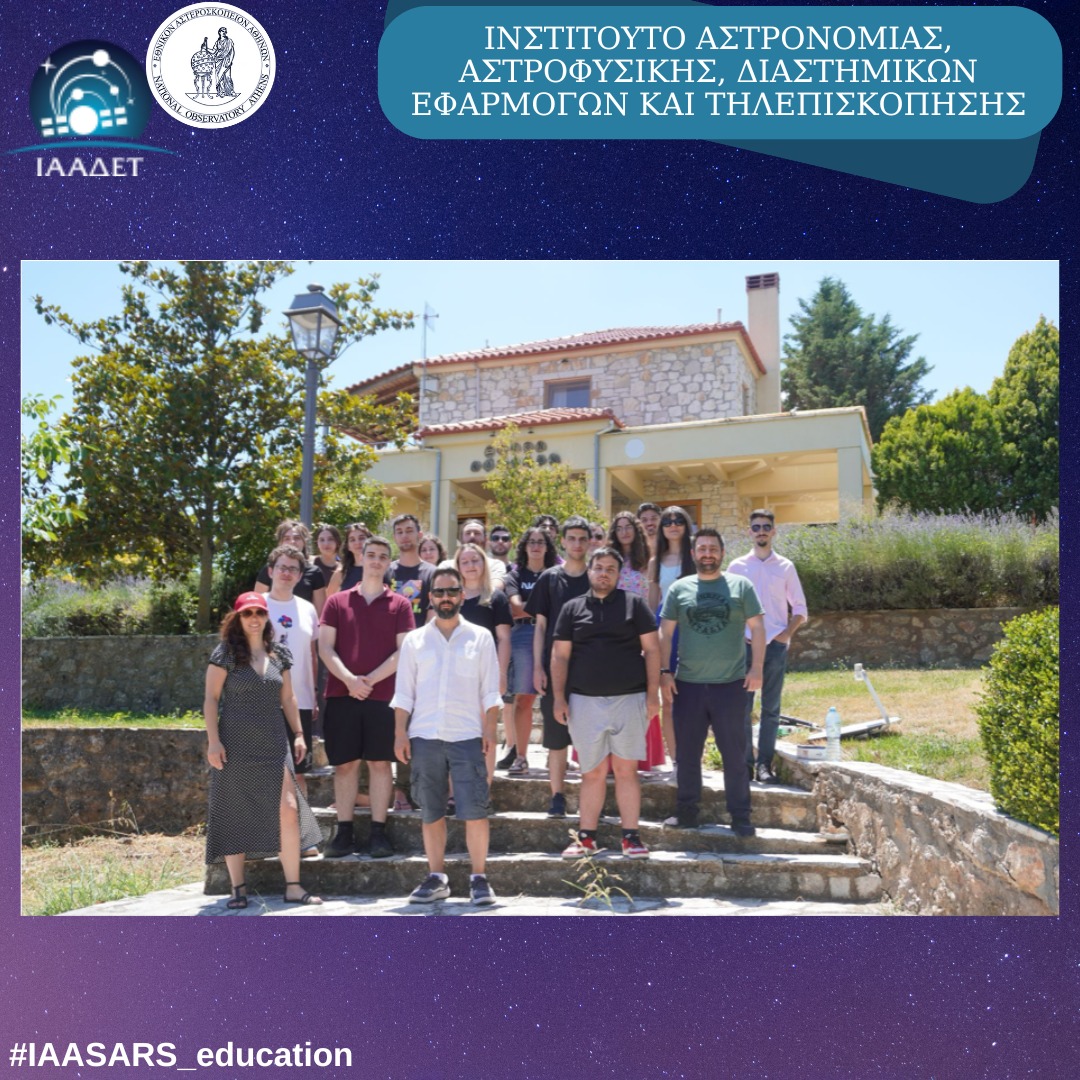
Summer School of Observational Astrophysics in Kryoneri, Corinthia
Between July 9 and 12, for the second year in a row, a three-day Summer School of Observational Astrophysics was held in Kryoneri, Corinthia, for graduate and final-year undergraduate students from across Greece. The students were hosted in a local guesthouse, observed the night sky with the 1.2-meter telescope of the Kryoneri Observatory as well as the Sun using a solar telescope and radio antenna, attended lectures, and were trained by Dr. Koulouridis, PhD candidate Ms. Drigga, Dr. Liakos, and Dr. Vardoulaki in techniques of analyzing observational data (optical and radio waves) from the Observatory's researchers. The local community once again warmly supported the School, creating a welcoming and collaborative environment for all. This year's highly successful event followed the first School held in 2023 and confirms that Kryoneri can evolve into a regular meeting point for those who love Astrophysics, with the Observatory at its center.
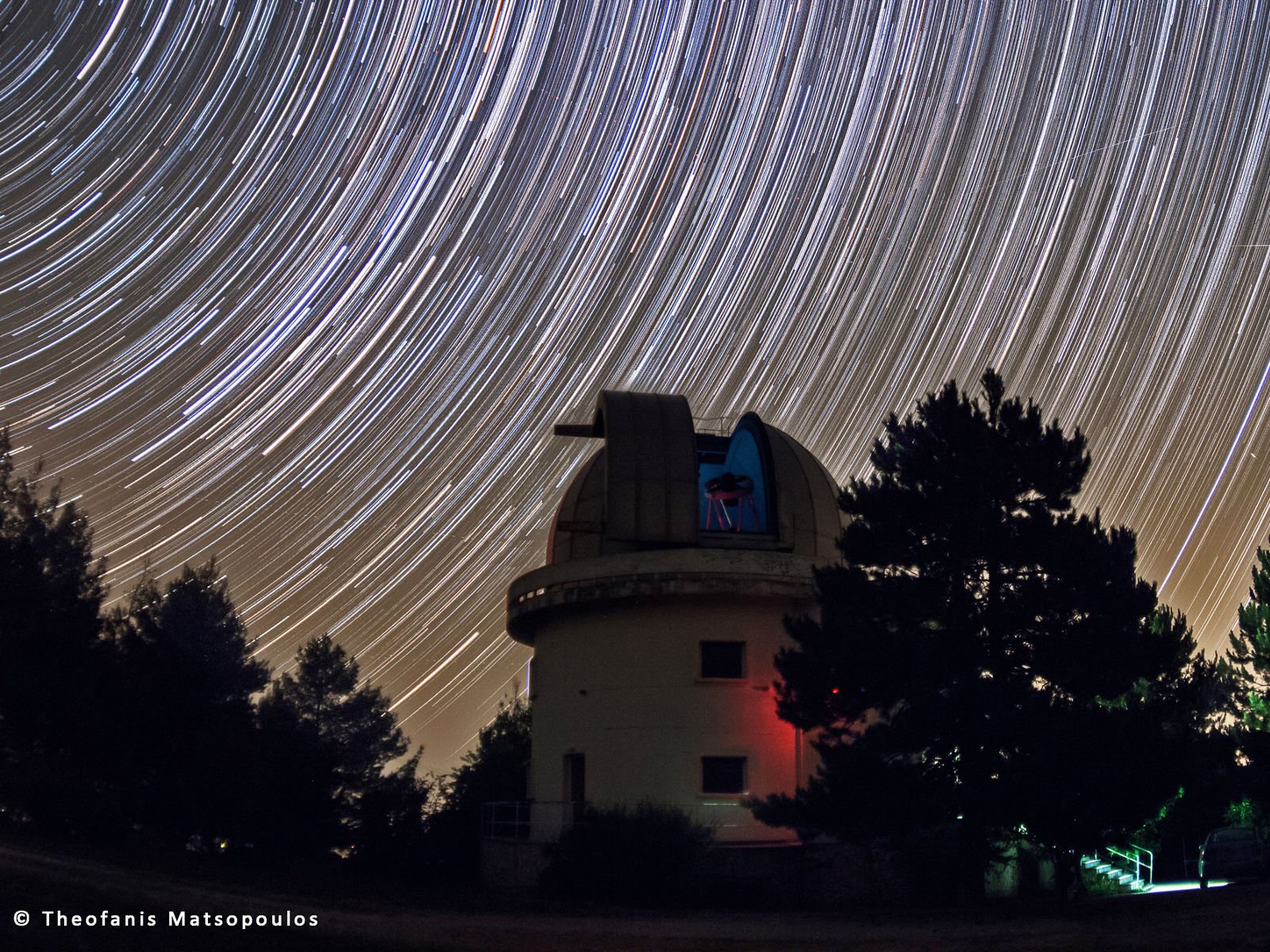
Series of outreach events at the Kryoneri Observatory – Summer 2021
The Institute of Astronomy, Astrophysics, Space Applications and Remote Sensing of the National Observatory of Athens organizes for the summer months, astronomy evenings at the Kryoneri Observatory in Corinth.
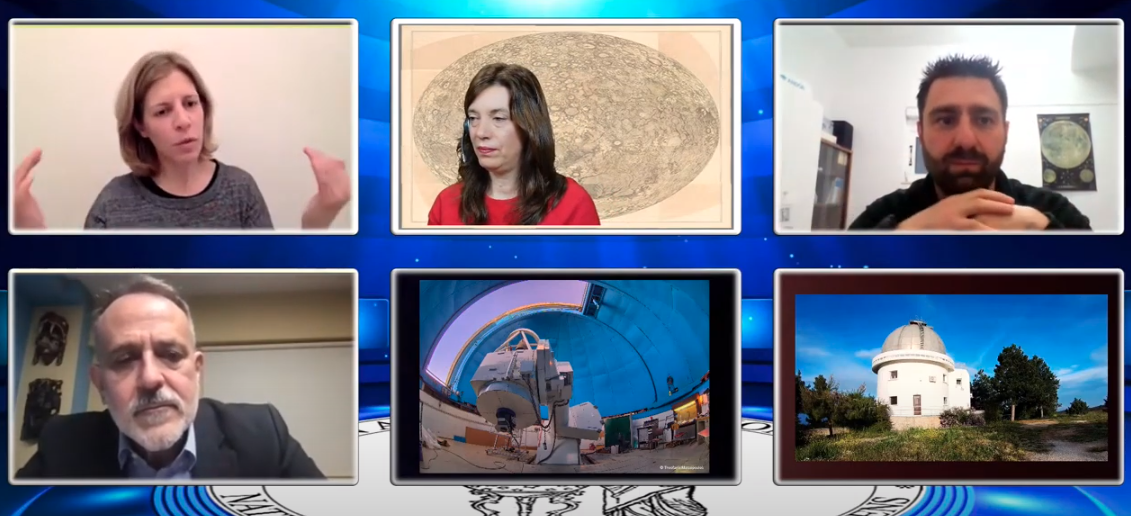
IAASARS hosted a virtual tour of Kryoneri Observatory
On the evening of April 15th, IAASARS hosted a virtual tour of Kryoneri Observatory, which included live viewing of the Moon through the 1.2 meter telescope, a presentation of the facilities and the lunar monitoring research program NELIOTA.
National Observatory of Athens and the Peloponnese Region signed partnership agreement for the upgrade of the Kryoneri Observatory
The program agreement was signed between the National Observatory of Athens and the Peloponnese Region for the upgrade of the infrastructure of the Kryoneri Observatory with funding from the region of Peloponnesus of 3M euro. The first pillar of the project is the further upgrade of the Kryoneri telescope, thus increasing its observational capabilities. The second pillar focuses on the diffusion of science by creating an exhibition space, where the visitor will be able to take a historical walk in the contribution of this telescope to the science of Astronomy.